Highly Renewable | Inherently Sustainable | An Ecological Wonder | Common man's Timber | Material of Future
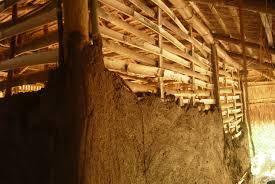
Bamboo as a building material is the PAST and FUTURE.
It has a long and well-established tradition as a building material throughout the world’s tropical and sub-tropical regions. It is widely used for many forms of construction, in particular for housing in rural and remote areas. It is a renewable and versatile resource, characterised by high strength and low weight, and is easily worked using simple tools which come in handy in a remote tribal locality. It is widely recognised as one of the most important non-timber forest resources due to the high socio-economic benefits from bamboo based products. Bamboo is the world’s fastest growing woody plant. It grows approximately 7.5 to 40 cm a day. Commercially important species of bamboo usually mature in four or five years time, after which multiple harvests are possible every second year, for up to 120 years in some species
Bamboo Plantations
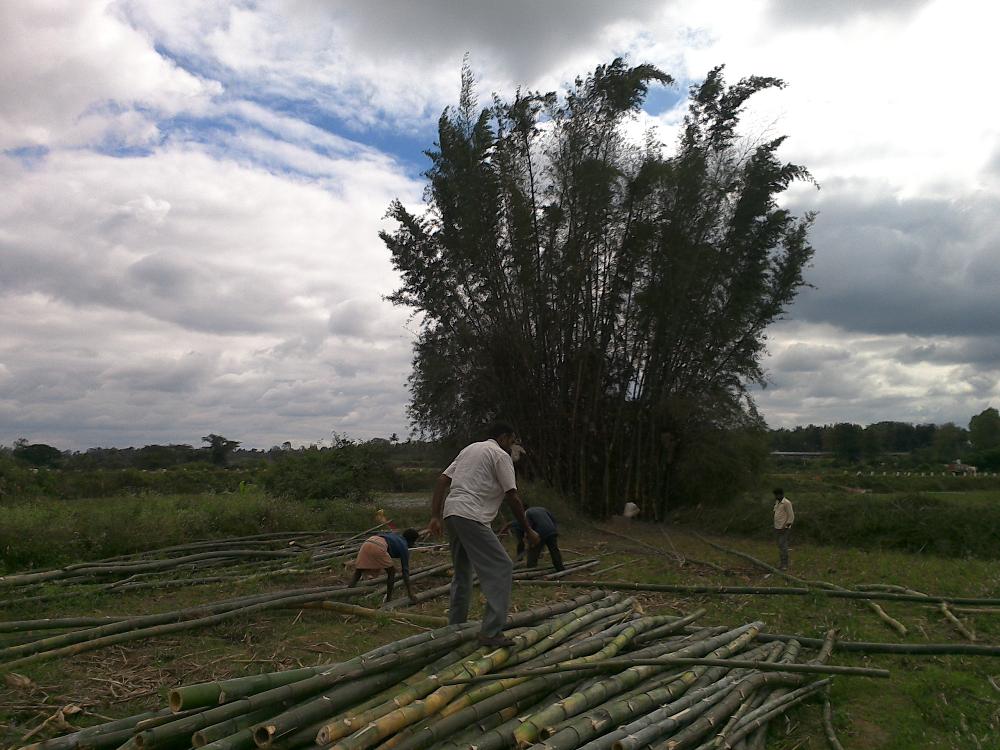
While Bamboo has been a native plant in India for centuries, it has always a wild species and domestication process never kicked in, unlike other South Asian countries....
About Bamboo Diaries
Map of Alternative Construction Resource centres
This Google map is a collection of locations related to Natural Building Resources - Material markets, Human Resources, Institutions, Field Research centers, Bamboo plantations and much more. Read more...
The Politics of Bamboo
Bamboo unsettles the usual hierarchy of construction knowledge. In many contemporary building systems, authority flows from drawings to specifications, and from specifications to contractors, suppliers, and site workers. The material is expected to arrive as described and perform as promised. Bamboo complicates this hierarchy because much of its knowledge sits close to the material itself. It belongs to those who have learned, through experience, how bamboo grows, splits, bends, ties, and fails. Because this knowledge is difficult to translate into a single formula or universally agreed method, bamboo practice is often treated as non-standardized or informal. Yet this does not make it less technical. It simply means that its intelligence is carried through judgment, repetition, and contact rather than calculation alone.. Read more...